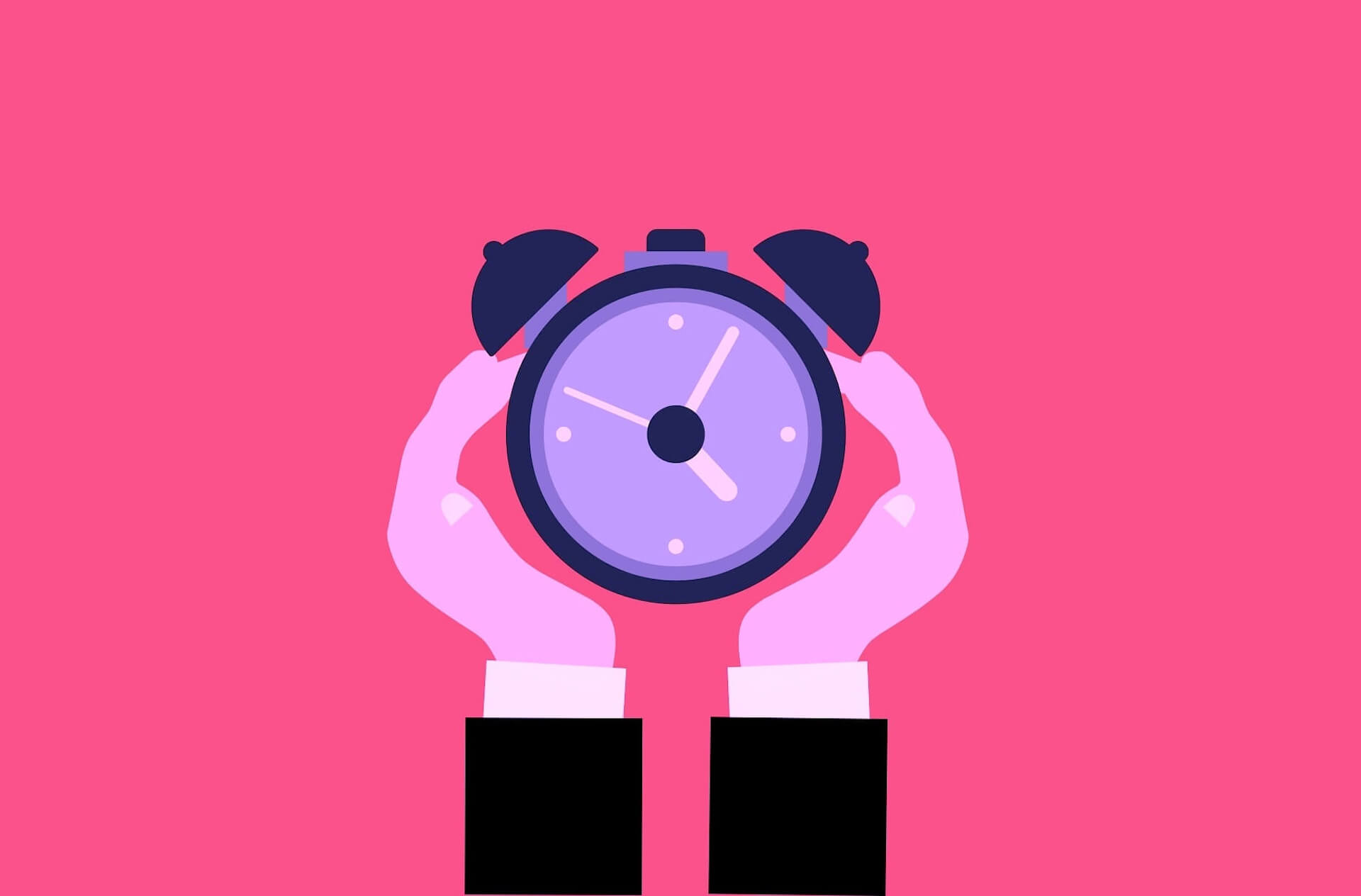
For decades, the professional world has been built on a rigid foundation: the 8-hour workday, usually starting at 9:00 AM. But if you’ve ever sat at your desk at 10:00 AM feeling like a zombie, or found your brain finally „clicking in“ just as the sun starts to set, you know the truth. Human beings aren’t built like metronomes. We are biological entities with internal rhythms that dictate when we are sharp, when we are sluggish, and when we should be asleep.
Table of Contents
What is Chronoworking?
Chronoworking is a productivity trend that stops fighting biology and starts working with it. It aligns an individual’s work schedule with their circadian rhythm—the internal biological clock that regulates energy, alertness, and sleep and encourages employees to work during their „biological prime time“ rather than adhering to a standard, one-size-fits-all 9-to-5 window.
Chronoworking and the Science of Your „Internal Clock“
At the heart of chronoworking is the circadian rhythm—a natural, internal process that regulates the sleep-wake cycle and repeats roughly every 24 hours. However, not everyone’s clock is set to the same time. These variations are known as chronotypes.
The 4 Chronotypes
- Lions: The classic „early birds.“ They are most productive at dawn but fizzle out by mid-afternoon.
- Bears: The majority of the population. Their energy follows the sun, peaking in the late morning and dipping in the afternoon.
- Wolves: The „night owls.“ They struggle with early starts but hit a creative and analytical peak in the late evening.
- Dolphins: Often prone to insomnia, these individuals have irregular rhythms and find their „bursts“ of energy in short, intense windows throughout the day.
When we force a „Wolf“ to lead a board meeting at 8:00 AM, we aren’t just being mean—we’re actively fighting their biology, resulting in lower cognitive performance and higher stress.
Why Companies Benefit from Chronoworking
Chronoworking isn’t just a „feel-good“ perk; it’s a strategic advantage. Organizations that have embraced this model—allowing employees to set their own hours based on their chronotypes—report significant gains:
- Peak Performance: Employees tackle complex „Deep Work“ when their brain is at its most neurochemically prepared.
- Reduced Burnout: Working against your rhythm causes „social jetlag,“ a state of chronic exhaustion. Chronoworking fixes this.
- The Talent Magnet: In 2026, the best talent isn’t looking for a gym membership; they’re looking for autonomy over their time.
How to Implement Chronoworking
Transitioning to this model requires a shift from „hours clocked“ to „outcomes achieved.“ Here is how to make it happen:
- For Individuals: Start by auditing your energy. For one week, track your focus levels on a scale of 1–10 every hour. You’ll quickly see a pattern emerge. Schedule your most difficult tasks for your „10“ hours and save emails for your „3“ hours.
- For Teams: Use Core Collaboration Hours. For example, everyone must be online from 1:00 PM to 4:00 PM for meetings and syncs. Outside of those hours, the Lions can start at 6:00 AM and the Wolves can work until midnight.
Overcoming the „Laziness“ Stigma
The biggest hurdle to chronoworking is psychological. We’ve been conditioned to believe that „the early bird gets the worm“ and that starting work at 11:00 AM is a sign of laziness.
To make chronoworking successful, we have to dismantle the „presence bias.“ If a Wolf produces a brilliant piece of code at 10:00 PM, it is just as valuable—if not more so—than the work a Lion did at 8:00 AM.
Conclusion: The Future of the 9-to-5
The traditional 9-to-5 is a relic of the industrial age, designed for factory lines where physical presence was the only metric that mattered. In the modern era of knowledge work, our most valuable resource isn’t our time—it’s our energy. Chronoworking is the bridge to a more humane, efficient, and creative workplace. By simply listening to our bodies, we can unlock a level of productivity that the 9-to-5 never could.
Final Thought: We’ve spent a century trying to fix the human to fit the schedule. It’s finally time we fixed the schedule to fit the human. Whether you’re a Lion, a Wolf, or something in between, your best work is waiting for you—you just have to find the right time to meet it.
Note: This website is a test website and the article is fully AI generated